
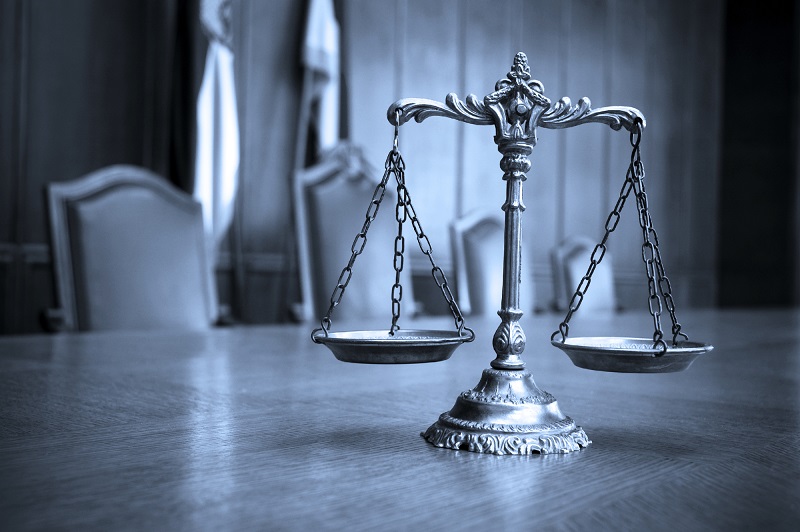
Criminal defense law is the branch of law that focuses on representing individuals or entities accused of committing crimes. Its purpose is to ensure that defendants receive a fair trial and that their constitutional rights are protected throughout the legal process. Criminal defense attorneys work to challenge the prosecution’s evidence, present mitigating factors, and advocate for reduced penalties or acquittals where possible.
Criminal law is fundamentally different from civil law. In civil cases, disputes are generally between private parties and the goal is often financial compensation. In criminal cases, the state (or federal government) prosecutes an individual for violating laws, and the consequences can include fines, probation, incarceration, or even the death penalty in some jurisdictions. The stakes are high, and the burden of proof rests on the prosecution, which must prove the defendant’s guilt “beyond a reasonable doubt.”
Criminal defense lawyers play a vital role in safeguarding the principles of justice. They may work as public defenders, assigned by the court to those who cannot afford private representation, or as privately hired attorneys. Their responsibilities extend beyond trial representation and can include negotiating plea bargains, filing motions to suppress unlawfully obtained evidence, advising clients on legal strategy, and guiding them through pre-trial and post-conviction proceedings.
Criminal defense law encompasses both substantive criminal law—which defines specific offenses and penalties—and procedural criminal law—which dictates the process of investigation, arrest, prosecution, and appeal. Defense attorneys must have a deep understanding of constitutional protections such as the right to remain silent, the right to counsel, the right to confront witnesses, and protection against unlawful searches and seizures.
Cases in criminal defense can range from relatively minor infractions, such as traffic violations, to serious felonies, such as murder. Each case presents its own legal, factual, and procedural challenges, and defense strategies are often tailored to the specific circumstances and evidence involved.
Importance of Criminal Defense Law in Society
Criminal defense law serves as a cornerstone of a fair and democratic society. Without it, the immense power of the state could go unchecked, and individuals could be wrongly convicted or subjected to excessive punishment. By ensuring that every accused person has a competent defense, the system reinforces the principle that it is better for a guilty person to go free than for an innocent person to be wrongfully punished.
In addition, criminal defense law protects against abuses of power by law enforcement and prosecutors. Through judicial oversight, evidentiary rules, and vigorous advocacy, defense attorneys help maintain the integrity of the justice system. Even when defendants are guilty, skilled defense work can ensure that sentences are proportionate and that rehabilitative opportunities are considered.
- DUI/DWI Defense: Defending individuals accused of driving under the influence of alcohol or drugs, challenging evidence like breathalyzer or field sobriety test results.
- Drug Crimes: Representation for charges involving possession, distribution, manufacturing, or trafficking of controlled substances.
- Violent Crimes: Defense against charges such as assault, battery, robbery, manslaughter, or murder, often requiring complex factual and forensic analysis.
- Sex Crimes: Defending individuals accused of offenses like sexual assault, statutory rape, or possession of illegal sexual material, where reputational stakes are high.
- Theft and Property Crimes: Handling cases involving burglary, shoplifting, vandalism, and embezzlement, often focusing on intent and ownership disputes.
- White Collar Crimes: Defense for financially motivated, non-violent crimes such as fraud, money laundering, insider trading, or bribery.
- Domestic Violence: Representing clients accused of harming or threatening a family or household member, sometimes involving restraining orders.
- Juvenile Crimes: Defending minors charged with offenses, with an emphasis on rehabilitation over punishment.
- Probation and Parole Violations: Advocating for clients accused of breaching conditions of their release, aiming to prevent incarceration.
- Expungements and Record Sealing: Helping clients clear or limit access to their criminal records to improve future opportunities.
- Assault Law: Addresses criminal and civil cases involving intentional acts that cause another person to fear or experience harmful or offensive contact.
- Expungement Law: Governs the process of legally sealing or erasing criminal records to give individuals a fresh start without public access to past offenses.
Criminal defense law is essential for upholding justice, protecting constitutional rights, and balancing the power between the individual and the state. Defense attorneys ensure that legal processes are followed correctly, evidence is scrutinized, and punishments are fair. Whether in high-profile trials or minor misdemeanor cases, the work of criminal defense lawyers is a safeguard against wrongful convictions and an essential part of maintaining public trust in the legal system.